
You're managing a building where every system speaks a different language. Your security cameras don't talk to your access control. Your audiovisual setup can't scale with your hybrid workforce. Your network infrastructure was designed five years ago and nobody knows how to upgrade it without breaking everything else. Meanwhile, vendors point fingers at each other when something fails, and you're left holding the bill for change orders that nobody saw coming.
This is the reality for most facility managers, architects, and owners. Technology has become the backbone of modern buildings, but the way we design and implement it hasn't caught up. We're still treating each discipline as a separate silo, hoping they'll somehow work together on day one. They don't.
The problem runs deeper than just poor communication between vendors. It's a fundamental misalignment between how buildings are designed and how they actually operate. You inherit systems that were specified based on what each vendor could sell you, not what your building actually needs. You get locked into ecosystems where switching providers means ripping out infrastructure. You face budget overruns because nobody coordinated the real costs upfront. And worst of all, you spend your first year in the building firefighting problems that should have been solved during design.
We've watched this pattern repeat across five markets for 25 years. Tribal Nations wrestling with compliance and vendor bias. School districts juggling safety mandates with shrinking budgets. Commercial developers racing against schedules while change orders pile up. Government facilities bound by federal procurement rules that favor the lowest bid, not the best design. Healthcare systems trying to meet HIPAA requirements while keeping infection control protocols intact.
The villain isn't any single vendor. It's fragmented systems. It's the assumption that you can bolt together best-of-breed solutions without a coordinator. It's the belief that technology design is an afterthought, something you figure out after the building's already been planned.
Here's what we know works. You need an independent design partner who specifies based on your needs, not commission structures. Someone who sits at the table before you've locked in vendors and made commitments. Someone who understands that every discipline—security, audiovisual, network infrastructure, life safety, intelligent lighting—has to work as one unified system, not five separate projects.
That's where we come in. We're guides, not gatekeepers. We collaborate with your architects, contractors, and IT staff to make sure everyone's pulling in the same direction. We've spent 25 years learning what actually works in real buildings, across tribal casinos and resort facilities, university campuses and K-12 districts, corporate headquarters and government courthouses, hospitals and rural clinics.
The path forward is straightforward. First, we assess your building, your goals, and the gaps between where you are and where you need to be. Second, we design every system to work together from day one, eliminating the conflicts that create change orders and rework. Third, we verify the design through construction and commissioning, making sure what was drawn actually works when you flip the switch.
When you do this right, something shifts. You move from a building where technology is a constant source of frustration to one where it just works. You avoid the 30 to 50 percent budget overruns that plague most projects. You eliminate year one firefighting. You get one partner, zero conflicts, on budget. You own a building that scales with your needs instead of trapping you in vendor lock-in.
The best time to engage a design partner is before you've locked in vendors or made commitments. Early involvement prevents costly rework and ensures your systems actually talk to each other from day one. But if you're mid-project and things have gone sideways, we've salvaged plenty of situations. Bringing us in now can still prevent the worst outcomes and establish a clearer path forward with your existing systems and team.
Your building is more complex than ever. But your design partner shouldn't be. Let's talk about what's possible when someone actually coordinates the technology instead of hoping it works out.

Questions
Find answers to common concerns about implementing technology solutions.
The best time to engage a design partner is before you've locked in vendors or made commitments. Early involvement prevents costly rework and ensures your systems actually talk to each other from day one.
Independent design means we specify based on your needs, not commission structures. You maintain flexibility to choose best-in-class solutions for each discipline without being trapped by a single vendor's ecosystem.
We've salvaged plenty of projects that went sideways. Bringing us in now can still prevent the worst outcomes and establish a clearer path forward with your existing systems and team.
Good design costs less than bad design. The real expense is change orders, rework, and years of firefighting. We help you spend smarter upfront so you're not hemorrhaging money later.
Absolutely. We're guides, not gatekeepers. We collaborate with your architects, contractors, and IT staff to make sure everyone's pulling in the same direction.
Ready to talk?
Let's discuss your specific situation and next steps.
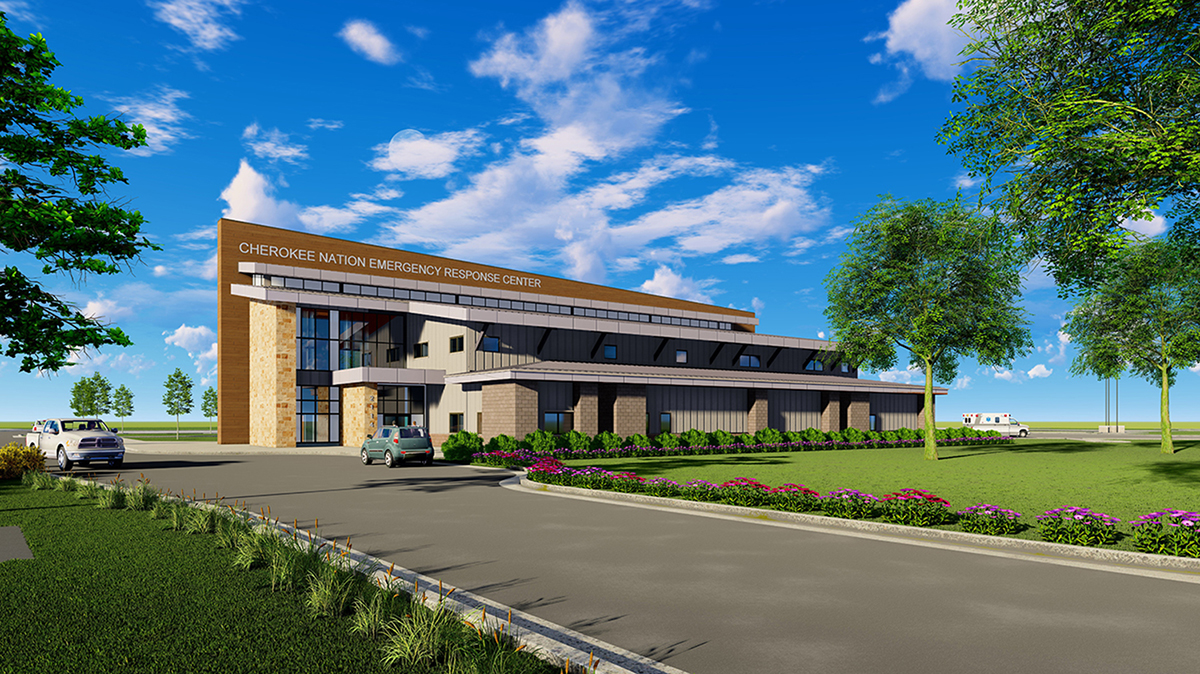
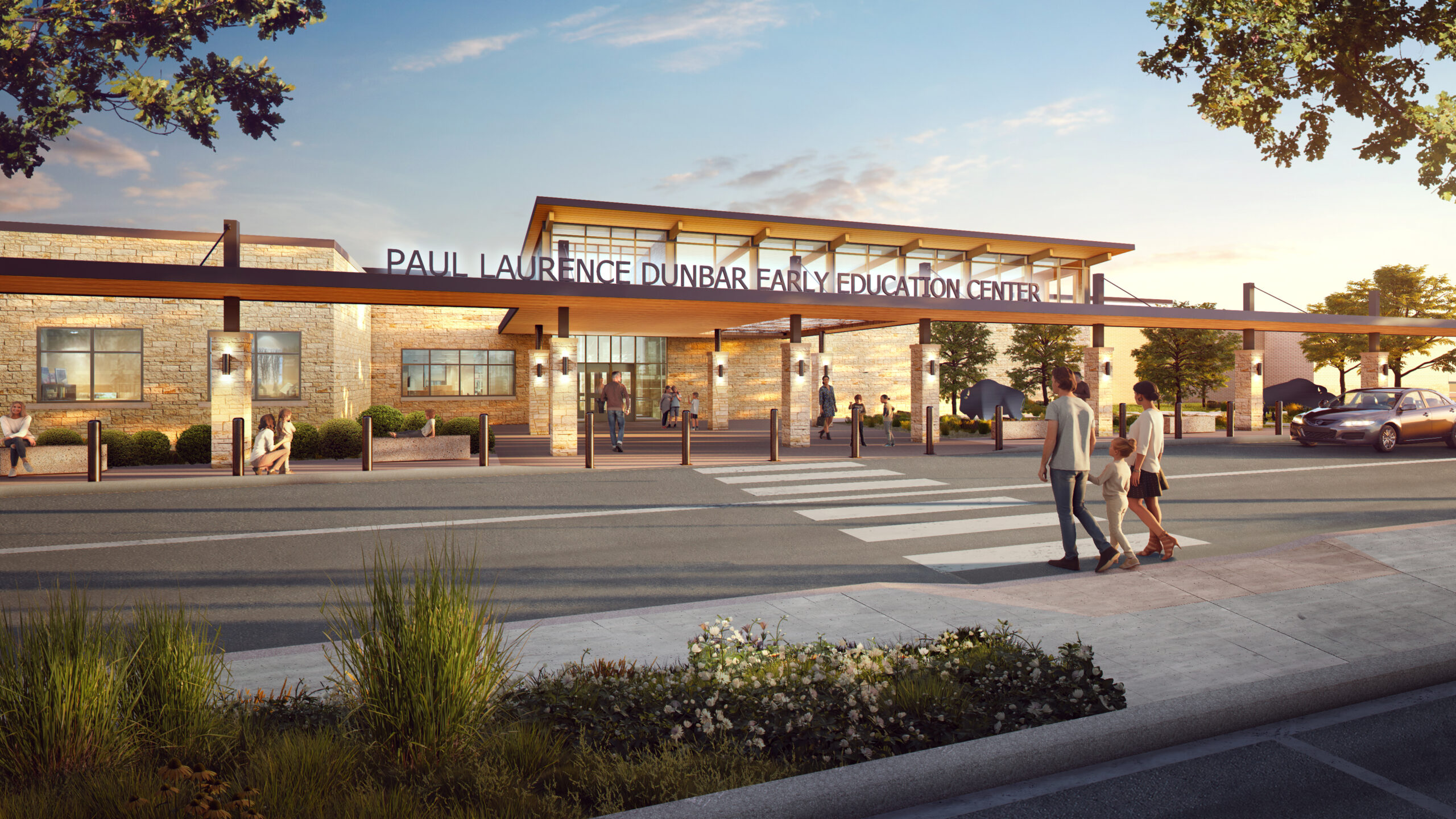
Real buildings, real results
These recent projects prove what vendor-independent design delivers
Ready to Start?
Tell us about your project.
A 30-minute call. We'll listen, ask good questions, and tell you straight whether CRUX is the right fit.