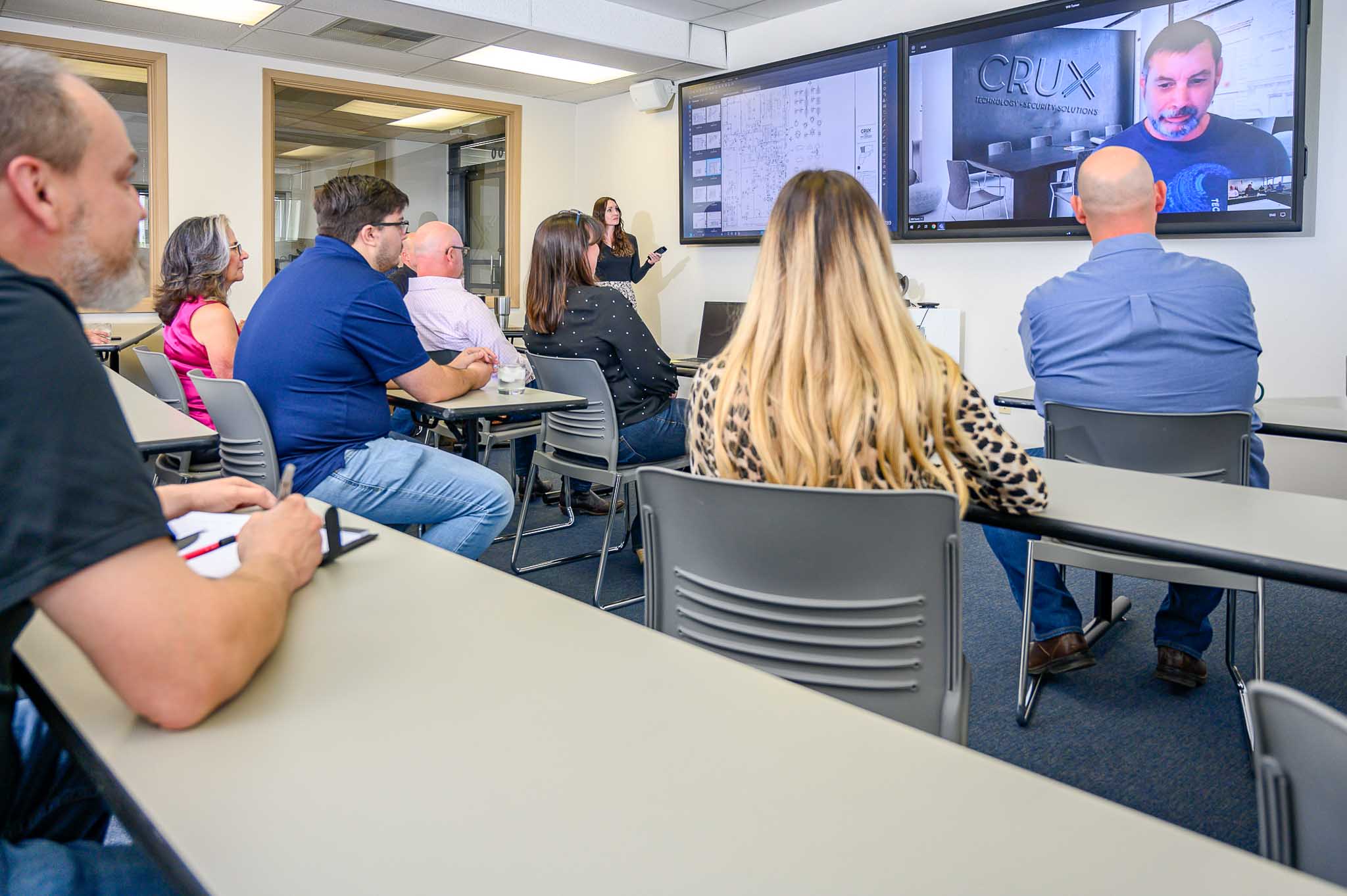
AIA CEU courses for architects
Five AIA-accredited courses covering building technology and security topics relevant to the work architects do. 1 LU|HSW credit per session.
AIA continuing education that actually improves your practice
Tired of theoretical CE courses that waste your lunch hour? Get engaging, practical insights from real building technology practitioners who design and implement systems every day.
Integrated building technology design
Learn how systems work together, not against each other
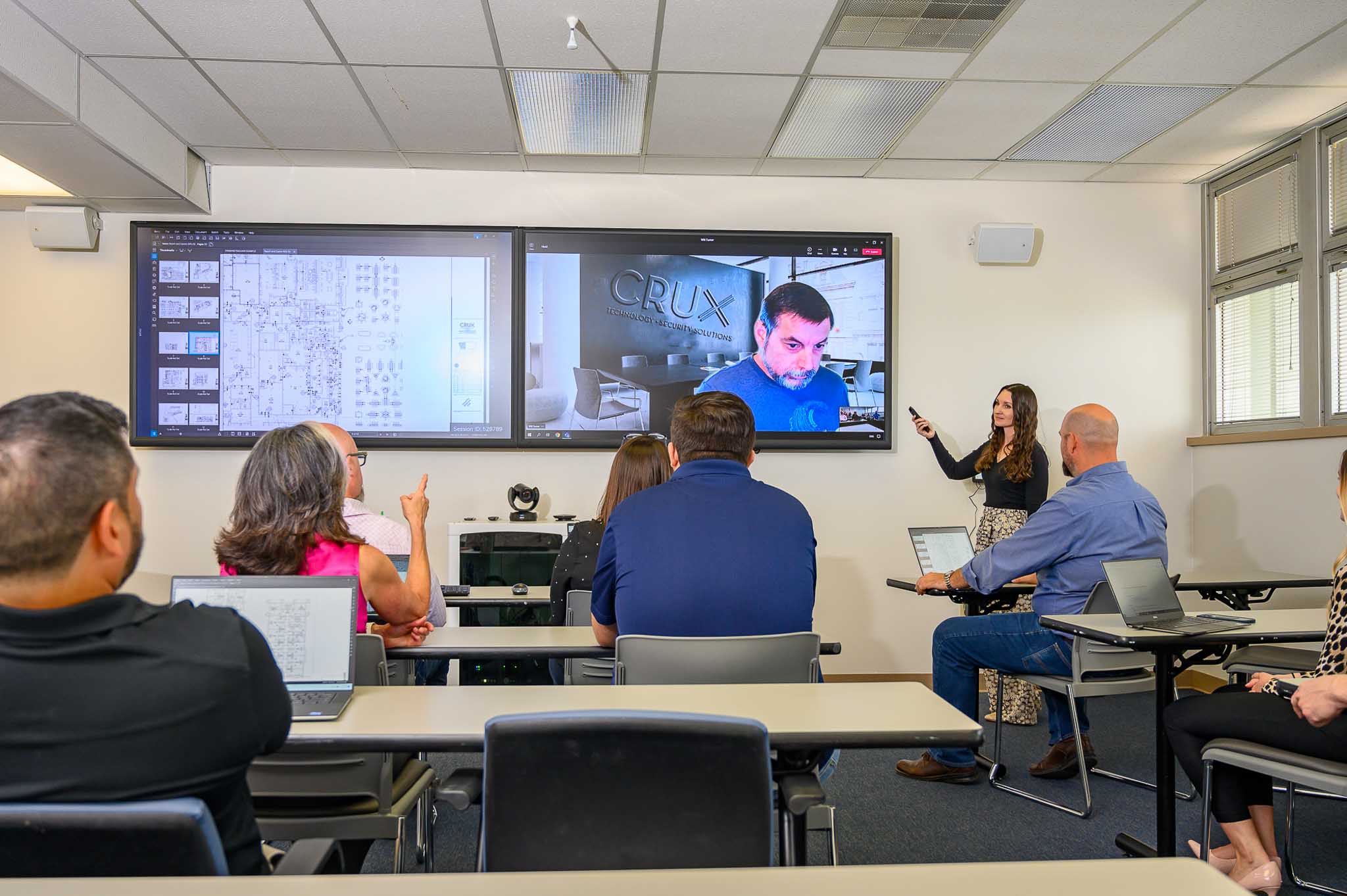
Integrated building technology design
Discover how independent coordination prevents vendor conflicts and change orders. One LU/HSW credit. Taught by practitioners who've designed hundreds of buildings.

Security by design
Build security into your design from day one, not as an afterthought. One LU/HSW credit. Learn from experts who've secured everything from tribal casinos to federal courthouses.
Network infrastructure planning
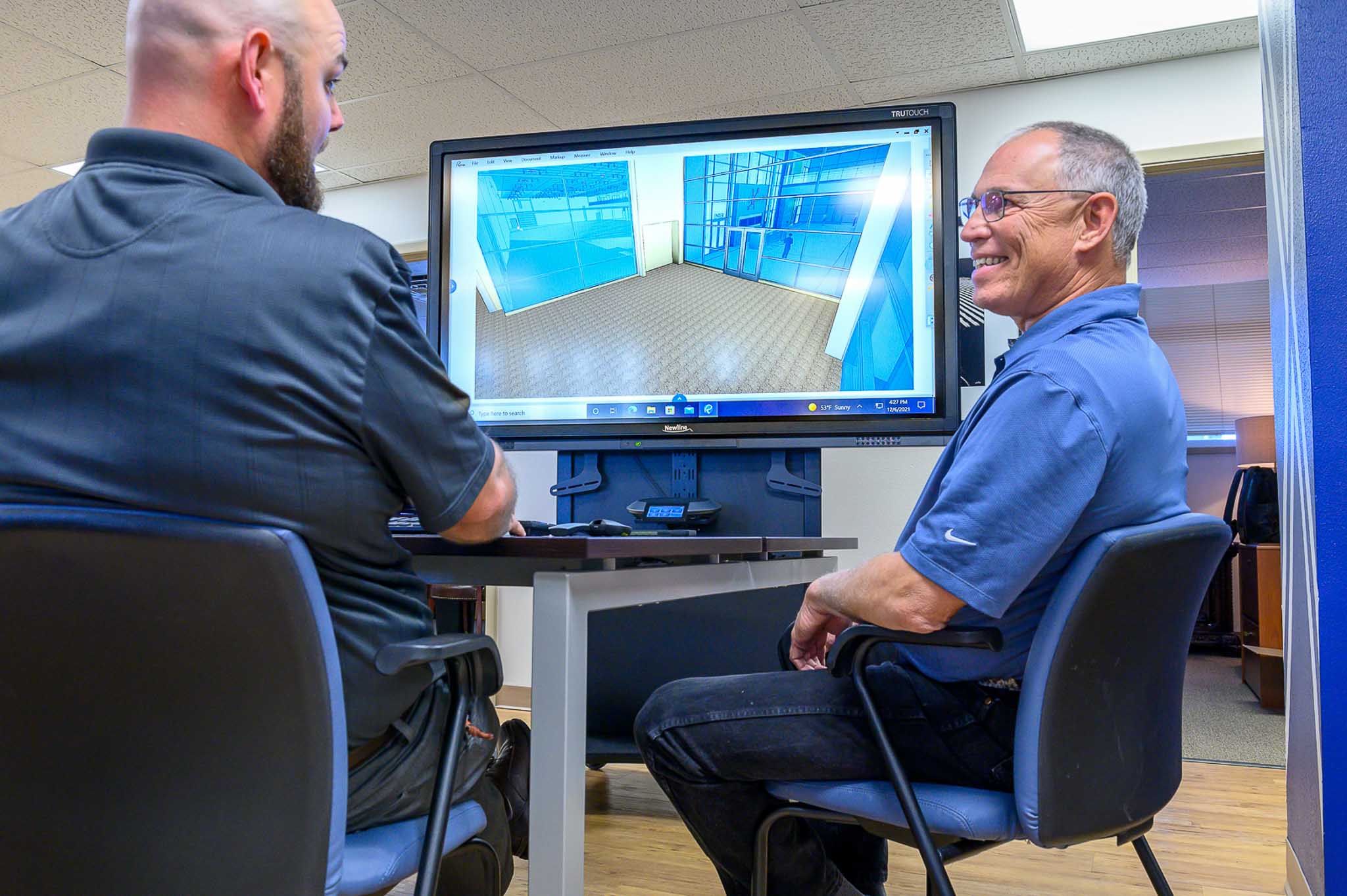
Plan networks that scale with your building's future, not yesterday's bandwidth. One LU credit. Taught by engineers who've built infrastructure for hospitals, schools, and government facilities.
Three steps to your next credit

Browse our practical AIA courses
Pick the course that fits your practice and schedule

Request a session at your office or online
We handle scheduling, setup, and all the logistics
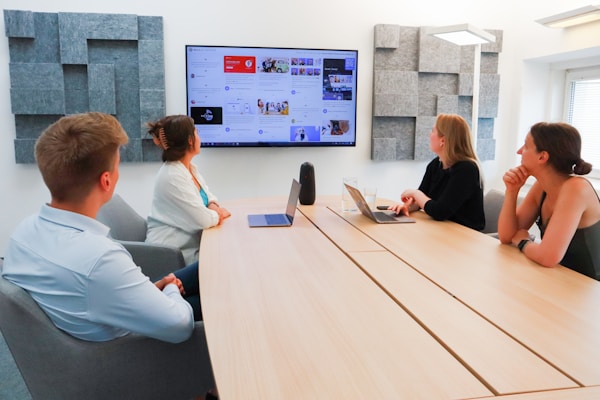
Earn LU or HSW credits and real knowledge
Walk away with strategies you can use on your next project
Our AIA-accredited courses
Each course is worth 1 LU|HSW credit and can be delivered as a Lunch & Learn at your firm. To schedule one, email sales@cruxsolutions.com or call (800) 685-6440.
Acoustics: The Invisible Material
Sound is the primary means by which we communicate, and acoustics is where that meets the built environment. Managed acoustics support and enhance how a space functions; unmanaged acoustics can compromise its intended use entirely. This course explains how managing acoustics protects and enhances the health, safety, and enjoyment of building users, and teaches strategies for managing acoustic performance according to the characteristics of forms and materials.
- Differentiate between sound and acoustics by identifying how sound behaves within built environments.
- Analyze how building materials influence sound behavior, including reflection, absorption, and transmission.
- Assess the impact of acoustical conditions on occupant productivity, health, and communication in various building types.
- Evaluate appropriate acoustic strategies for different space types based on performance goals.
Understanding Smart Buildings
Designed for design professionals aiming to drive innovation in architecture. Explore IoT, automation, and data analytics to create efficient, sustainable, and user-focused structures. The course provides practical insights into energy management, occupant wellbeing, and the integration of smart technologies into modern architectural projects.
- Understand the definition of a smart building.
- Explore how smart buildings boost safety, health, productivity, and learning.
- Examine how smarter buildings can help achieve sustainability goals while reducing expenses.
- Understand how smart building concepts contribute to an inspirational user experience.
CPTED for Architects
CPTED — Crime Prevention Through Environmental Design — is a comprehensive approach that examines how the physical environment can either create or deter opportunities for criminal activity. This course covers how proper use of lighting, fencing, traffic control, and landscaping can discourage crime, and how designing these elements in from the outset creates a safer, more productive environment.
- Discover how employing CPTED concepts throughout building and grounds design strengthens the three lines of defense — perimeter, building exterior, and building interior.
- Understand Natural Surveillance and how it keeps intruders under observation, creating a perception of risk that deters crime.
- Understand Natural Access Control and how it decreases the opportunity for crime by denying access to targets.
- Realize how the physical attributes of a space express ownership, creating a sense of territorial control that discourages potential criminals.
What Architects Must Know About In-Building Emergency Communications
This course equips design professionals to integrate Emergency Radio Coverage Enhancement Systems (ERCES) into building designs. Through case studies and best practices, architects will understand compliance requirements, recognize communication challenges, and gain practical skills to ensure effective ERCES implementation — enhancing building safety and emergency response capabilities.
- Grasp the critical role of ERCES in ensuring effective communication for first responders during emergencies.
- Gain knowledge of the building codes and regulations that mandate ERCES in various building types.
- Identify the factors that hinder radio signal propagation within buildings — building materials, architectural design, and electronic interference.
- Learn best practices for integrating ERCES, including collaboration with RF engineers, conducting site surveys, implementing redundant systems, and establishing testing and maintenance protocols.
Implementing Integrated IT, Audio/Visual, & Security Solutions
Through the use of integrated systems and common communications platforms, we can build buildings that are smarter, greener, and less expensive. This course makes the case for including technology and security requirements in the initial planning and design conversations, where they deliver the most benefit.
- Understand the best point in the design process to define the security and technology requirements for a project.
- Learn how integrating technology and security systems design into the overall building design process produces much better outcomes.
- Learn what owners and occupants expect to be available in a modern facility.
- Understand how we can build our facilities with the future of technology in mind.
Stop wasting your lunch hour on forgettable theory
Earn required credits while learning strategies you can use on your next project. No fluff. No vendor pitches. Just practical knowledge from people who design buildings every day.