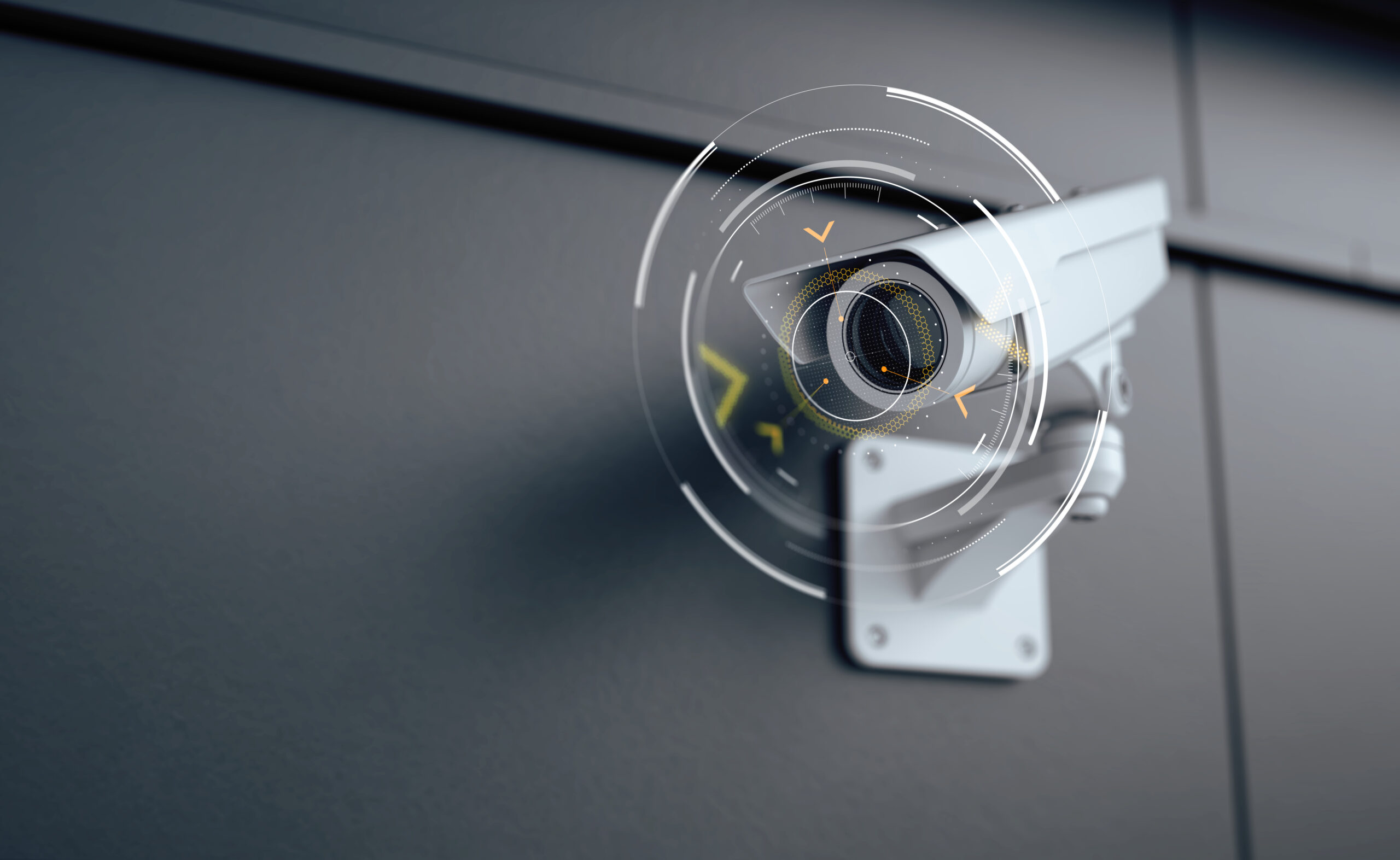
Intrusion detection systems (IDS) can be an excellent solution for protecting physical assets - or a frustrating cost center prone to false alarms. The difference isn't in the system, but in how it is designed.
IDS are an established standard for protecting people and assets within a building. When the system is engaged, motion, opening doors and windows, sound and other preset factors can trigger an alert, notifying building owners or first responders of unauthorized entry into the secured area. However, these systems are prone to costly false alarms. In 1994, the Department of Justice found 98 percent of security alarms to be false alarms. Many short-staff police departments find that number to still be accurate today.
To prevent false alarms, many municipalities have begun to charge companies after a set of number of false alarms. Companies may find themselves spending hundreds of thousands of dollars to monitor systems and release alarms. As frustration mounts, organizations opt to turn off their alarms altogether.
There is a far more effective alternative. Today's intelligent systems allow for integrations that can not only reduce the risk for false alarms, but also support a safer incident response.
The value of integrated systems
When an IDS can deliver more data, organizations understand when to increase efficiency in their response. That's why many new-generation sensors use secondary systems that only trigger an alert based on a combination of factors. The use of multiple technologies (known as dual-tech or tri-tech in the security industry), including passive infrared and microwave sensors validates that there's a problem before an alarm goes off. For example, a system that detected motion in combination with infrared heat signature can prevent a false alarm triggered by the sudden movement of paper when the air conditioner turns on.
These integrations aren't just happening in IDS. By integrating intrusion detection with video surveillance or access control systems, organizations can verify an incident remotely and gather information that can guide an appropriate response.
For example, an integrated system might be designed so that motion activates a camera. By integrating intrusion detection with video surveillance, organizations gain instant visual verification that someone is in an unauthorized portion of the building. This eliminates the delay between getting the signal and going out to verify it. It may also provide valuable information about the threat, such as the number of individuals present. In some jurisdictions, video verification is a requirement to have officers dispatched to the scene - an excellent approach for ensuring the safety of the owner and first responders.
When integrated with access control, IDS can be automatically deactivated when a keycard is presented to a reader. This prevents the need for having employees memorize alarm codes, which can increase the risk of a false alarm. It also eliminates the maintenance of managing codes that is associated with employee turnover and growth.
System integration can also prove valuable in supporting incident response. When organizations use a sub-area approach, buildings or areas within a building can be wired in such a way that they act independently of one another. This means that when one alarm goes off, it provides a location for the device that triggered the alarm, giving an organization information about where a potential break-in has occurred. If devices in other zones subsequently report motion, now there is information about the direction the threat is traveling. When the IDS is integrated with access control, it becomes possible to lockdown one section of the building while leaving the other sections open to first responders.
Create a smarter intrusion detection system
Effectively integrating intrusion detection with other building systems requires advanced planning. If a building uses systems from different manufacturers, it may not be possible to integrate these systems at all. This hurdle can be avoided by integrating intrusion detection alarm devices into the existing access control system.
Another growing alternative is to use existing building sensors. Sensors are becoming ubiquitous, as codes increasingly require the use of occupancy sensors to reduce energy demand by automatically turning off lights when no one is in a room. These occupancy sensors perform a similar function as the motion detector installed as part of an IDS. Rather than having two similar sensors routing information to different systems, occupancy sensors can be programmed to do double-duty. Data collected by the sensors can then be funneled to separate systems.
As another example, many security installers find there's no need to integrate a security system with a camera. Instead, today's pan-tilt-zoom style cameras can be programmed to detect motion and track intruders until they leave an established perimeter or move out of the camera view range.
This level of integration requires advanced planning. However, integrated systems also still rely on the essentials of good placement. Motion sensors, in particular, must be placed in such a way as to avoid areas where motion is allowable even when the IDS has been armed.
The payoff of this planning is significant. That's because this type of intelligent design provides alarm validation and access control, while eliminating the need for a costly secondary security investment.
Take a stronger stance on security
Today's security systems are smarter than ever, but they're at their smartest when able to work with the multitude of data being gathered by Internet of Things-enabled building sensors. With good security design and appropriate advanced planning, this information can be collected to serve multiple functions, creating a more complete picture of security risks, guiding a better response, and reducing the rate of costly false alarms.
To learn more about smart building integrating, watch our webinar, Taking Full Advantage of Smart Building Technology.

Questions
Find answers to common concerns about implementing technology solutions.
The best time to engage a design partner is before you've locked in vendors or made commitments. Early involvement prevents costly rework and ensures your systems actually talk to each other from day one.
Independent design means we specify based on your needs, not commission structures. You maintain flexibility to choose best-in-class solutions for each discipline without being trapped by a single vendor's ecosystem.
We've salvaged plenty of projects that went sideways. Bringing us in now can still prevent the worst outcomes and establish a clearer path forward with your existing systems and team.
Good design costs less than bad design. The real expense is change orders, rework, and years of firefighting. We help you spend smarter upfront so you're not hemorrhaging money later.
Absolutely. We're guides, not gatekeepers. We collaborate with your architects, contractors, and IT staff to make sure everyone's pulling in the same direction.
Ready to talk?
Let's discuss your specific situation and next steps.
Real buildings, real results
These recent projects prove what vendor-independent design delivers
Ready to Start?
Tell us about your project.
A 30-minute call. We'll listen, ask good questions, and tell you straight whether CRUX is the right fit.